Important Links
Important Note: The donation button links to the official donation page of the Temple Trust. Sanatan Vasudev Kutumb has no affiliation with the temple or the donation process.
We pray that your wishes find the Almighty's grace, and that you and your loved ones are always blessed, guided, and protected.
Kashi Vishwanath Temple – Varanasi
Information on this page
Important Note: The donation button links to the official donation page of the Temple Trust. Sanatan Vasudev Kutumb has no affiliation with the temple or the donation process.
We pray that your wishes find the Almighty's grace, and that you and your loved ones are always blessed, guided, and protected.
Overview
The Kashi Vishwanath Temple – Varanasi stands as one of India's most sacred pilgrimage sites, dedicated to Lord Shiva and revered as one of the 12 Jyotirlingas. Located on the western bank of the Ganga, it draws millions of devotees each year seeking blessings and liberation.
Live Darshan
Historical Background
The temple has a long history marked by destruction and reconstruction. Queen Ahilyabai Holkar rebuilt the temple in 1780. In 2021, the Kashi Vishwanath Corridor was inaugurated, linking the temple to the Ganga for easier pilgrim access.
Spiritual Significance
It is believed that visiting the Kashi Vishwanath Temple – Varanasi grants moksha (liberation). Devotees say Lord Shiva himself whispers the mantra of salvation into the ears of those who die in Kashi.
Architecture & Layout
Built in Nagara style, the temple features a gold-plated dome and spire, multiple smaller shrines, and a silver altar. The nearby Gyan Vapi Well holds spiritual and historical importance.
Cultural Practices
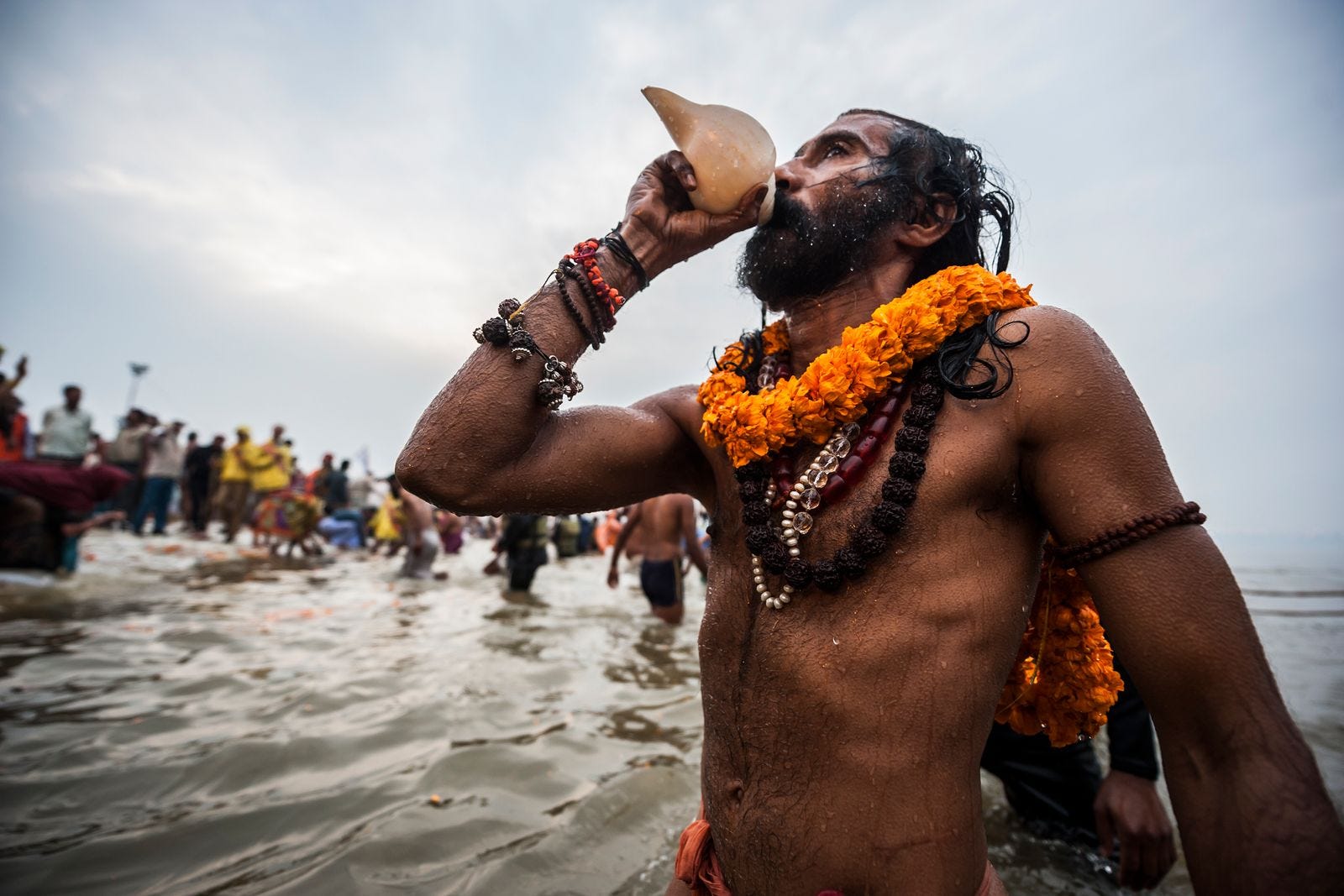
- Ritual Bath: Devotees bathe in the Ganga before entering the temple.
- Offerings: Bel leaves, milk, sandalwood paste, and fruits are common.
- Dress Code: Men often wear dhotis; women wear sarees or modest attire in white or saffron.
- Devotee Lifestyle: Many follow a satvik diet (no meat, onion, or garlic) before and after darshan.
- Prasad: Popular offerings include peda, ladoo, and seasonal fruits.
- Chanting & Circumambulation: Continuous chanting of "Har Har Mahadev" while circling the shrine.
Festivals & Rituals – Kashi Vishwanath Temple – Varanasi
Key celebrations include Maha Shivratri, Rangbhari Ekadashi, Vaikuntha Chaturdashi, and the daily Mangala Aarti and Sapta Rishi Aarti.
Annual Events & Festival Calendar
| Month / Date | Festival / Event | Significance |
|---|---|---|
| Feb–Mar | Maha Shivratri | Night-long worship and Rudrabhishek rituals. |
| Feb–Mar | Rangbhari Ekadashi | Marks Shiva’s return to Kashi after marriage. |
| Oct–Nov | Kartik Purnima | Devotees light thousands of lamps along the ghats. |
| Nov–Dec | Vaikuntha Chaturdashi | Unique Vishnu–Shiva joint worship. |
Modern Updates & Facilities
- Eco Initiatives: Ban on single-use plastic.
- Security: CCTV surveillance and streamlined entry points.
- Digital Darshan: Live-streamed aarti for remote devotees.
- Language Support: Signboards and volunteers in multiple languages.
Visitor Information – Kashi Vishwanath Temple – Varanasi
- Location: Varanasi, Uttar Pradesh
- Timings: 4:00 AM – 11:00 PM
- Best Time: October to March
- Dress Code: Modest and traditional clothing is recommended. Men typically wear dhotis or kurta-pajama, while women wear sarees or salwar kameez. Avoid shorts, sleeveless tops, or revealing attire. White or saffron colors are preferred for a spiritual ambience.
- Nearby Attractions: Dashashwamedh Ghat, Manikarnika Ghat, Annapurna Temple
- Transport: Closest airport is Lal Bahadur Shastri International Airport (26 km); nearest railway station is Varanasi Junction (5 km).
Interesting Facts
- Oldest Continuously Worshipped Shiva Temple: Though rebuilt several times, the site of Kashi Vishwanath has been a center of Shiva devotion since ancient times.
Gold-Plated Spire: The temple's dome is plated with 800 kg of gold, donated by Maharaja Ranjit Singh of Punjab.
Corridor to Ganga: The newly constructed Kashi Vishwanath Corridor directly connects the temple to the ghats of Ganga, making it easier for pilgrims to perform both darshan and holy dip.
13th Jyotirlinga Debate: Though counted as one of the 12 Jyotirlingas, some scriptures refer to an invisible Lingam of Light in Kashi, giving rise to mystical interpretations.
Conclusion
The Kashi Vishwanath Temple – Varanasi is more than a religious site; it's a living heritage of faith, culture, and tradition. From sacred rituals to modern facilities, it continues to inspire devotion and awe in every visitor.